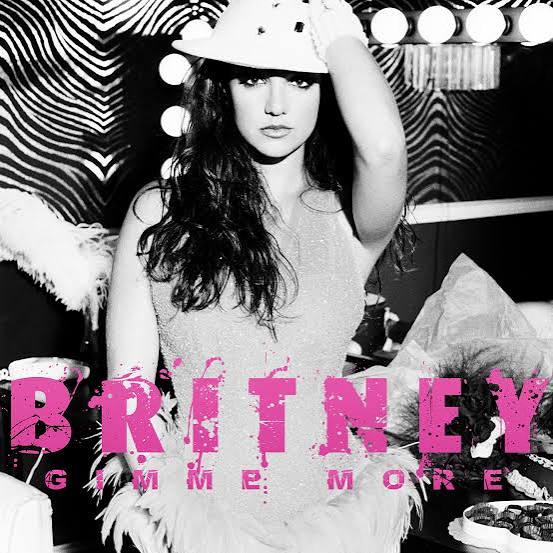
“Gimme More” has stood the test of time as a pop song, and I would argue is the “magnum opus” of Britney Spears’ work as well as the album Blackout.
Whether intentional or not, there is something very punk about Britney releasing an album and a first single with songs so directed at paparazzi culture.
From shaving her head to breaking cars with an umbrella, although criticized at the time in 2007, there’s always been a rebellious punk spirit to Blackout that makes this pop record more in line with the punk rock sentiments of a band like Rancid than a Britney Spears album. Punk, a lifestyle, mindset and yes genre of music about feeling disenfranchised and fed up with the system and ready to rebel against it. On Blackout, Britney seems to stop playing nice.
Rebellion, in this case, happens on the dance floor. Going out, getting intoxicated, screwing who you want to screw… sexy, free, ready for a fight like in the song “Piece of Me,” which threatens paparazzi to both take on Brit Brit and also tear her apart like a pack of hyenas. She’s down for either.
“Gimme More” and the subject of the song seem so intimate; a person dancing with someone close in a club, music blasting; darkness—seems like you can get away with so much in the dark…
“Cameras flashing while we’re dirty dancing… feels like the crowd is saying” we want more. Gimme More.
I always mishear the first verse-to-chorus as: “feels like a prowler saying” instead of the correct lyric above; and I'm not wrong.
While what I hear is incorrect, the song does feel like an invasion of privacy. The darkness is meant to protect from prying eyes, and Britney does make you feel like she is initially alone with the person she’s dancing with, so the people who are watching are just as bad as Hitchcock’s protagonist in Rear Window or Brian De Palma-adjacent. Watching you from across the street, removing your clothes. You should feel ashamed, you should feel disappointed in yourself, but if you’re not going to be, I’ll at least make you get a good show.
2007 Britney always felt to me like someone who thought if they rebelled hard enough in front of the cameras, acting outrageous enough, like a lioness roaring in the pen, that people would back off; shaving her head as an example of punk rock Britney at her best: “if you want a show, if you’re gonna drive me to crazy, I’ll show you crazy. Do you feel bad yet?”
Sadly, no one did feel bad and “Gimme More” makes that feeling clear; the crowd is cheering, the crowd is horny. If you’re dancing frisky, show me.
It’s disorienting how close we feel, sweaty, horny in the first few moments of the song, and then how shocked we should feel when we realize we’re being watched. But like Britney, we get over it and invite the crowd to enjoy the friskiness. Why can’t my party be your party? Get closer.
Reviews have said it before, including on sites like Pitchfork, but the dark, demonic energy of this album is hypnotic and alluring, and the most endearing quality of it. The giggles, moans, and playful laughter in songs like “Gimme More” and other songs on the album all come from a place of deep darkness. And we like it.
My favourite song, “Get Naked (I Got a Plan),” lyrically is always on the verge of being a SA story, but Brit takes it to a place where she makes you feel like the whole idea of “getting naked” is hers (hence the title).
But Danja’s counterpart voice always feels like the guy who just slipped the roofie, his “baby, baby…” vocals fried and auto-tuned almost like you are the person passing out on the couch in VIP. You’re not going to remember who took you home, but you will believe you suggested it. The song feels like the fly being stunningly convincing about how it was always their idea to land on the Venus fly trap.
In a way, you are being drugged with Blackout, taken to a place under the disco lights; a place where if you do want to forget you’re being watched, why wouldn’t you want to be intoxicated, near-unconscious?
Disassociation has become more in vogue in 2026, so call Britney a trendsetter. The club has also always been a place that can help you forget a situation you’re in that you may not be a fan of and you’re also not sure how to get out of.
The club is a place to forget. Not register much around you but feel the music, even if that means you’re not in tune to the danger its state leaves you in.
As long as you forget, you’re into it.
It’s a vibe that Blackout for the most part understands and gives it right back to the listener; it’s also an album that puts Britney in control. An aggressor of love and sex.
“Radar”—probably the only pop song to use the concept of sonar as a metaphor for getting close to a crush—is also like “Gimme More” and “Piece of Me;” slightly threatening. Sonar is usually reserved for tracking an enemy, someone unaware; you’re using it to pounce, so the concept of being on Brit’s radar is less complimentary and thrilling that you might land a date, but more so scary; her voice so auto-tuned she might as well have taken over the AI computer components of the submarine vessel you’re in, and she’s ready to sink you.
But back to the themes of surveillance, of being a celebrity, like in the song “Gimme More.” Forgetting being watched, and forgetting you’re being persecuted or under threat the same way a 2007 Britney was, is very club. Forgetting your troubles on the dance floor also means retreating to the sound of dance music.
The gays then and now circle Blackout as a quintessential club album, and it does encapsulate club culture well. Forgetting you’re under threat and just want to dance makes the album a relatable one. Fighting back when you’re down even conjures up some of the elements of early activism of queer street patrol groups like The Pink Panthers, where the response to queer bashing was literally punching back, saying as a community, you’re not going to take it.
Maybe a bit of an overreach, but the concept of Britney ready to be ripped apart, violated, cold, and robotic makes “Blackout Britney” someone strong, someone who is ready for the outcome, whatever that might be. And the overtones, and the time of remembering Britney while this album came out as someone who was smoking, drinking, cussing out photographers and trying to make herself as big as possible to the big bad bear, is something punk has always been about; you don’t have the power, but you rebel like you are the one with all the power, otherwise how else do you create the change?
Blackout certainly created the change for new dance music, sonically, a sound every main pop girlie tries to get to; Miss Icarus flying close to the blacked-out sun, and never getting there.
But when they do get close to the blueprint, it’s still pretty good. But what a Blackout-inspired album tends to miss out on is the need for some form of retaliation, a creative force of darkness Britney was clearly fighting against when creating; even if she left the studio with only one take or stressed out about her divorce and children. The instinct that the direction was true is made clear through the album, even with some missteps and some skippable tracks (looking at you “Heaven on Earth”). But from dubstep to layers of vocals and sounds, Blackout is lightning in a bottle and we’re lucky to have been struck.